According to data from the General Administration of Customs, from January to May 2026, China’s cumulative rare earth imports totaled 47,628.0 tons, decreased by 2.8% year-on-year, with an import value of RMB 7.08 billion, increased by 36.0% year-on-year; cumulative rare earth exports totaled 25,378.0 tons, increased by 2.2% year-on-year, with an export value of RMB 1.69 billion, increased by 40.0% year-on-year. From this, it can be inferred that the average import and export prices of rare earths both increased year-on-year in the first five months of this year.
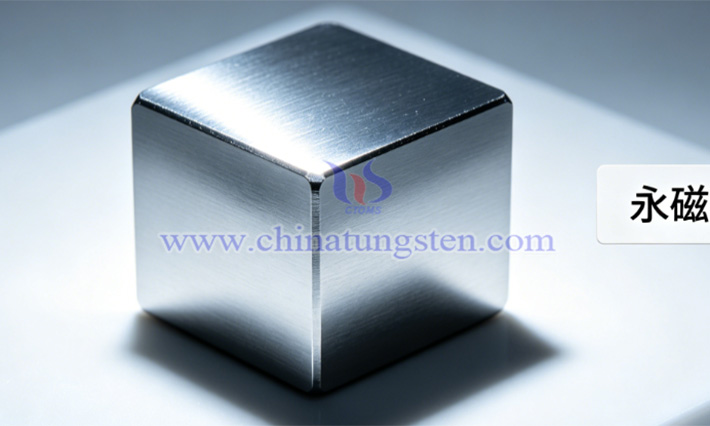
Images of rare earth permanent magnet materials
According to the CTIA GROUP WeChat public account, from January to May 2026, the average prices of mainstream light rare earths in China increased year-on-year, while the average prices of mainstream heavy rare earths decreased year-on-year. Specifically, the average price of praseodymium oxide was RMB 806,969/ton, increased by 79.99% year-on-year; neodymium oxide averaged RMB 801,776/ton, increased by 81.51%; praseodymium-neodymium oxide averaged RMB 749,663/ton, increased by 74.76%; praseodymium-neodymium metal averaged RMB 918,296/ton, increased by 73.90%; terbium oxide averaged RMB 6,202/kg, decreased by 3.12%; dysprosium oxide averaged RMB 1,413,878/ton, decreased by 16.00%; and dysprosium-iron alloy averaged RMB 1,383,469/ton, decreased by 15.99%.
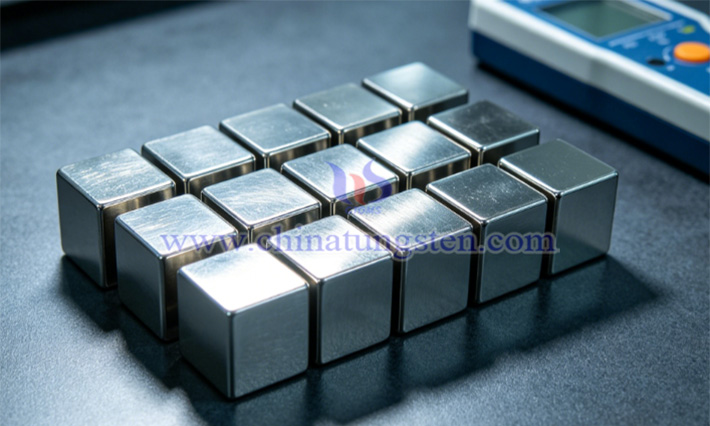
Images of rare earth permanent magnet materials
Rare earth elements refer to a total of 17 chemical elements in the periodic table, including the lanthanides as well as scandium and yttrium: lanthanum, cerium, praseodymium, neodymium, promethium, samarium, europium, gadolinium, terbium, dysprosium, holmium, erbium, thulium, ytterbium, lutetium, scandium, and yttrium. Despite the word “rare” in their name, their total amount in the earth’s crust is not actually scarce; rather, they are widely dispersed, and extraction and separation are difficult, giving them high strategic value. Rare earth elements are generally divided into light rare earths and heavy rare earths based on their properties: light rare earths mainly include lanthanum, cerium, praseodymium, neodymium, promethium, samarium, and europium, which have lower densities and wide applications; heavy rare earths include gadolinium, terbium, dysprosium, holmium, erbium, thulium, ytterbium, and lutetium, which have higher densities and are typically used in high-end functional materials.
Rare earths have very wide applications in modern industry. In the new energy sector, neodymium-iron-boron (NdFeB) permanent magnet materials are core components of wind turbines and electric vehicle motors, primarily relying on light rare earth metals such as praseodymium and neodymium. In the electronics and information sector, rare earths are widely used in phosphors, lasers, and optical fiber communication devices. In defense and aerospace industries, heavy rare earths such as terbium and dysprosium are used in high-performance alloys, radars, and key components of aircraft to enhance magnetic properties, high-temperature resistance, and corrosion resistance.